
 Talento India
Starting a career in web design is both rewarding and challenging. It offers many chances in the digital world.
More businesses need a strong online presence. This means more jobs for skilled web designers. It’s a great choice for those who love tech and creativity.
Web design careers need many skills, like UI/UX design. There are lots of jobs in this field.
Key Takeaways
- Pursue a career in web design for a creative and challenging profession.
- Develop skills in UI/UX design to enhance job prospects.
- Stay updated with the latest trends and technologies in web design.
- Explore various job opportunities in the web design industry.
- Build a strong portfolio to showcase your work.
What is Web Design?
Web design is about making websites that share a message well and are easy to use. It mixes graphic design, user experience (UX) design, and search engine optimization (SEO). This way, websites look good and work well.
The Role and Responsibilities of a Web Designer
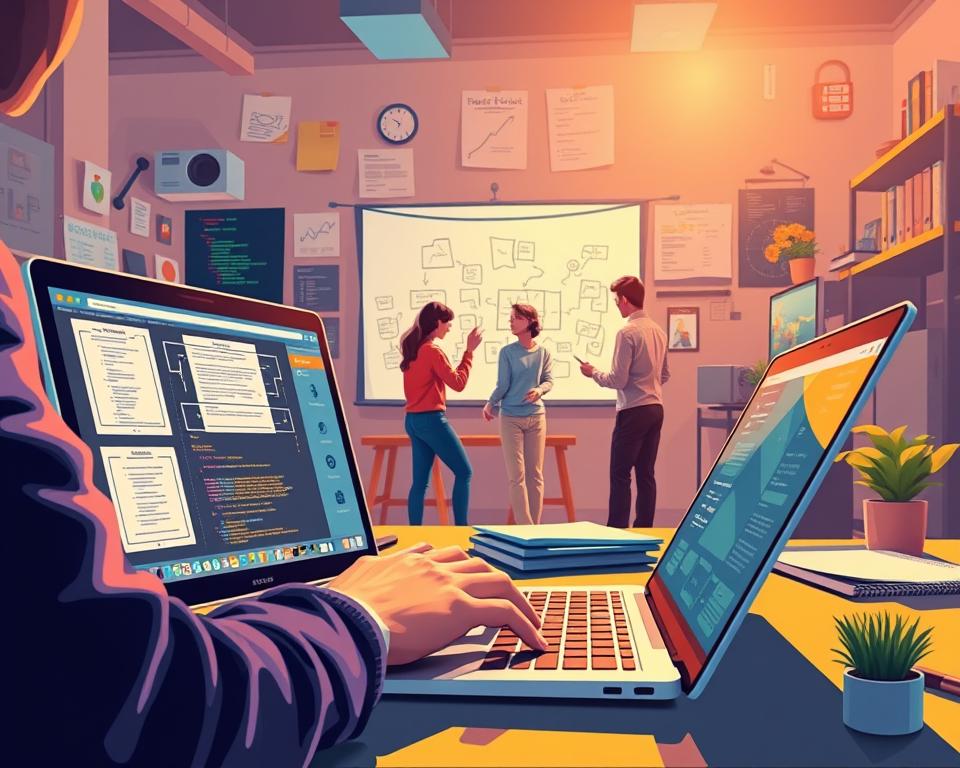
A web designer makes the look of a website, like the layout and colours. They also make sure it’s easy for users to navigate.
They design wireframes and mockups, create prototypes, and test the site. Web designers keep up with new trends and tech, like responsive design and mobile-first design. This makes sure the site works on different devices.
Web Design vs Web Development: Understanding the Difference
Web design is about the look and feel of a website. Web development is about building the site with coding like HTML, CSS, and JavaScript.
Web development has two parts: front-end and back-end. Front-end is client-side scripting, and back-end is server-side scripting. Knowing the difference helps designers and developers work together. This makes a website that looks good and works well.
The Web Design Career Landscape in 2023
Web design careers are getting more varied, with many specialisations becoming popular in 2023. The field is moving towards more detailed and specific roles.
Types of Web Design Specialisations
Web design covers many specialisations, each focusing on different parts of web development. Some key areas include:
- UI/UX Design: Works on making interfaces easy to use and understand.
- Responsive Web Design: Makes sure websites work well on all devices.
- E-commerce Web Design: Deals with designing online shops and platforms.
Each specialisation needs its own set of skills and knowledge. This lets designers pick areas that match their interests and abilities.
Industry Demand and Growth in India
In India, the need for web designers is rising fast. This is because more businesses want a digital presence. The web design industry in India is set to grow a lot.
| Year | Demand Growth | Average Salary |
|---|---|---|
| 2022 | 15% | ₹500,000 |
| 2023 | 20% | ₹550,000 |
| 2024 | 25% | ₹600,000 |
The table shows the demand and salaries for web designers are expected to go up.
“The future of web design is about creating deep and interactive experiences. As tech gets better, designers need to keep up with new trends and tools.”
Essential Technical Skills for Web Designers
Technical skills are key for web designers. They help turn creative ideas into real websites. Today, there’s a big need for web designers who make websites that work well and look good.
Mastering HTML, CSS, and JavaScript
Knowing HTML, CSS, and JavaScript is very important. HTML gives structure, CSS styles it, and JavaScript makes it interactive. Being good at these helps make websites that are fun to use.
Recommended Learning Resources
There are many online places to learn HTML, CSS, and JavaScript. Codecademy, FreeCodeCamp, and W3Schools have great tutorials and practice exercises for beginners.
Practice Projects for Beginners
Practicing is the best way to get better at web design. Start with simple websites. Then, try more complex ones that use responsive design and interactive features.
UI/UX Design Principles and Best Practices
Knowing UI/UX design principles is very important. It helps make websites that look good and are easy to use. Designing with the user in mind is key.
Responsive and Mobile-First Design Techniques
Most people use mobile devices to go online. So, responsive and mobile-first design techniques are very important. They make sure websites work well on all devices, giving a great experience everywhere.
Crucial Soft Skills for Success as a Web Designer
Soft skills are key to a web design career. They add to technical skills with people skills. In web design, it’s not just about making pretty websites. You also need to talk well, manage projects well, and solve problems in new ways.
Talking well with clients is very important. It helps you understand what they want and meet their needs. You need to explain your designs clearly, keep clients updated, and listen to their feedback.
Client Communication and Project Management
Web designers must manage projects well. This means working with others, setting deadlines, and staying within budget. Project management skills help you handle many projects at once and know what to do first.
| Skill | Description | Importance Level |
|---|---|---|
| Client Communication | Understanding client needs and articulating design concepts | High |
| Project Management | Managing projects from conception to launch | High |
| Problem-Solving | Addressing design challenges creatively | High |
Problem-Solving and Creative Thinking
Being good at problem-solving and thinking creatively is very important. Designers face many challenges that need new solutions. Having a mix of analytical and creative thinking helps you do great work.
Education Pathways for Aspiring Web Designers
In India, web designers-to-be have many ways to learn. They can choose between going to school or learning on their own. This depends on what they want to learn and how they like to learn.
Degree Programmes and Courses in India
Many schools in India teach web design. These courses cover the basics, technical skills, and how the industry works.
Top Design Institutes in Major Indian Cities
In India, top schools for design include National Institute of Design (NID), Indian Institute of Technology (IIT) design departments, and National Institute of Fashion Technology (NIFT). They teach web design and other related subjects.
Curriculum and Specialisations
Students learn about HTML, CSS, JavaScript, UI/UX design principles, and responsive web design. They can also specialise in mobile app design and interaction design.
Self-Learning and Online Course Options
Online courses are great for those who learn better on their own or can’t go to school full-time. Sites like Udemy, Coursera, and Skillshare have lots of web design classes.
- Beginner courses introducing web design basics
- Advanced courses focusing on specialised areas like UI/UX
- Certification programmes to enhance credibility
Learning by yourself needs discipline but is flexible and can save money.
Certifications That Boost Your Web Design Career
Getting certifications is a smart choice for web designers in India. They boost skills and make you more employable. This makes certifications very valuable for web designers.
Industry-Recognised Certifications
Industry-recognised certifications are highly valued. They show you’re skilled in certain design tools and methods. For example, Adobe Certified Expert (ACE) and Certified Web Designer (CWD) are well-known. They can really help your career.
| Certification | Description | Issuing Organisation |
|---|---|---|
| Adobe Certified Expert (ACE) | Validates expertise in Adobe products | Adobe |
| Certified Web Designer (CWD) | Demonstrates web design skills | World Organisation of Webmasters (WOW) |
Indian Certification Programmes and Their Value
Indian certification programmes offer special training and recognition. For example, Certified Associate in Web Design (CAWD) by NASSCOM teaches about the latest trends. These certifications are great for working in India or with Indian clients.
Essential Web Design Tools and Software
The right tools can make web design better and faster. They help designers create amazing user experiences. Today, designers have many tools for different design tasks.
Design Software Mastery
Design software is key for web designers. Adobe XD, Figma, and Sketch are popular. They have features like vector editing and prototyping.
Design Tools Survey says Figma is the top choice. Adobe XD and Sketch are close seconds. The right tool depends on the project and designer’s skills.
Code Editors and Development Tools
Code editors are vital for coding. Visual Studio Code, Sublime Text, and Atom are favorites. They have features like syntax highlighting and code completion.
| Code Editor | Key Features |
|---|---|
| Visual Studio Code | Syntax highlighting, code completion, debugging tools |
| Sublime Text | Syntax highlighting, code completion, project management |
| Atom | Syntax highlighting, code completion, customizable interface |
Prototyping, Testing, and Collaboration Tools
Prototyping and testing are important. InVision and Proto.io help create interactive prototypes. Slack and Trello make team work easier.
“The best way to get good ideas is to get a lot of ideas.” – Linus Pauling
Linus Pauling said getting many ideas is key. The right tools help designers work better together. They make creating websites faster and better.
Building a Standout Web Design Portfolio
In the world of web design, a great portfolio is key. It shows your skills and experience. It also shows you can solve design problems and make interfaces easy to use.
Creating Your Portfolio Website
Your portfolio website is your first impression. It must show your best design. Choose a clean design that highlights your work.
Make sure your website works well on phones and tablets. This is now expected.
When making your website, think about these things:
- Clear navigation and information architecture
- Prominent display of your best work
- Easy-to-read typography and appropriate colour schemes
- Contact information and a way for visitors to get in touch
Selecting and Presenting Projects Effectively
Choose projects that show your skills. Include UI/UX design, responsive design, and front-end development. For each project, explain your role, the challenges, and how you solved them.
| Project | Description | Skills Demonstrated |
|---|---|---|
| E-commerce Website Redesign | Redesigned an e-commerce website to improve user experience and conversion rates. | UI/UX design, Responsive design |
| Personal Blog | Designed and developed a personal blog with a focus on typography and readability. | Front-end development, Typography |
Gaining Experience Through Volunteer and Freelance Work
Getting practical experience is key. Volunteer and freelance work are great ways to do this. Look for opportunities on Upwork, Freelancer, and local non-profits.
“The best way to get started is to quit talking and begin doing.” – Walt Disney
With a well-designed website, thoughtful project selection, and proactive experience, you can make a standout portfolio. This can lead to new career opportunities.
Web Designer Jobs: Finding Opportunities in India
India’s digital world is growing fast. This means more jobs for web designers. The demand for websites that are easy to use and fun to look at is rising.
In-House, Agency, or Freelance: Choosing Your Path
Web designers in India have many career paths. They can work in-house, for an agency, or as freelancers. In-house roles give a steady income and benefits. Agency work means working on different projects and meeting new clients. Freelancing offers flexibility and can pay well.
| Job Type | Pros | Cons |
|---|---|---|
| In-House | Stable income, benefits | Limited project variety |
| Agency | Diverse projects, client variety | High pressure, long hours |
| Freelance | Flexibility, high earnings | Unstable income, no benefits |
Job Platforms and Networking Strategies
To find web design jobs, use sites like LinkedIn, indeed, and Glassdoor. Networking is key. Attend events, join online groups, and meet people in your field.
Resume, Portfolio, and Interview Preparation
A good resume and portfolio are vital. Show your skills, experience, and achievements. Be ready to talk about your work in interviews.
Know the job market, use job sites and network, and prepare well. This will help web designers in India succeed.
Salary Expectations for Web Designers in India
The average salary for web designers in India changes based on experience, location, and industry. Knowing these factors helps aspiring web designers set realistic goals. It also helps them plan their careers.
Salary Ranges from Entry-Level to Senior Positions
Web designers in India can expect the following salary ranges:
- Entry-level: ₹250,000 – ₹400,000 per annum
- Mid-level: ₹500,000 – ₹800,000 per annum
- Senior: ₹1,000,000 – ₹1,500,000 per annum
These figures are approximate. They can change based on the company’s policies and the individual’s skills.
City-Wise Salary Comparisons
Salaries for web designers vary across cities in India. For example, web designers in Metropolitan cities like Delhi and Mumbai earn more than those in smaller towns.
Industry Sector Variations
The industry sector also affects salary. For instance, web designers in the IT and e-commerce sectors often earn more. This is compared to those in non-profit or education sectors.
Negotiating Compensation and Benefits
When negotiating salary, think about more than just the base pay. Consider health insurance, paid leave, and professional development opportunities. Being ready with industry standards and knowing your worth can greatly impact negotiations.
Career Growth and Advancement Opportunities
The web design field is full of chances for growth and specialisation. As tech advances, more skilled web designers are needed. They must keep up with new trends and tools.
Climbing the Career Ladder: Junior to Senior Progression
Web designers can move up from junior to senior roles. They need a strong portfolio, experience in different projects, and better technical and soft skills. Key areas of focus include mastering design tools, understanding user experience, and keeping up with trends.
| Role | Key Responsibilities | Skills Required |
|---|---|---|
| Junior Web Designer | Assisting in design projects, learning industry tools | Basic HTML, CSS, design principles |
| Senior Web Designer | Leading design projects, mentoring junior designers | Advanced UI/UX, project management, leadership |
Specialisation Paths for Web Designers in India
Indian web designers can specialise in many areas. This includes UI/UX design, front-end development, and e-commerce solutions. They can also explore new tech like AR/VR and AI. Continuous learning and getting certified in these fields can boost their careers.
Current Trends Shaping Web Design in India
Web design is always changing. It’s key to keep up with the latest trends in India. The digital world here is getting more advanced. This is thanks to new tech and how people use the internet.
Mobile-First and Progressive Web Apps
Smartphones are very common in India now. This has made mobile-first design very important. Web designers are making Progressive Web Apps (PWAs) for better mobile use.
PWAs work offline, send messages, and feel like apps. They’re great for businesses wanting to keep users interested.
Accessibility and Inclusive Design Practices
Digital accessibility is getting more attention. Web designers in India are making sites for everyone. They follow Web Content Accessibility Guidelines (WCAG) and add features for all users.
This makes websites better for everyone. It also helps businesses look good and serve their users well.
Emerging Technologies: AR/VR, AI, and Voice Interfaces
New tech like AR, VR, AI, and voice interfaces is changing web design. These tools make sites more fun and interactive. For example, AI chatbots help with customer service.
AR and VR let users try things online. This is making websites more exciting and useful.
| Trend | Description | Impact |
|---|---|---|
| Mobile-First Design | Prioritizing design for mobile devices | Enhanced user experience on smartphones |
| Progressive Web Apps | Web apps that work offline and provide a native app-like experience | Increased user engagement and conversion rates |
| Accessibility and Inclusive Design | Designing for users with disabilities | Improved brand reputation and user experience |
Overcoming Common Challenges in Web Design Careers
Web designers in India face many challenges. They need technical, creative, and people skills to get through. The web design world keeps changing. So, designers must keep up with new tech, client wants, and design trends.
Managing Client Expectations and Feedback
It’s vital to manage client hopes well. Clear talk helps get what clients want right. Designers should know the project’s scope, time, and what’s to be done to avoid mix-ups.
Having regular talks with clients makes sure they’re happy with the project’s progress.
Staying Updated with Rapidly Changing Technologies
The web design world is always changing. New tech and design trends pop up all the time. To stay on top, designers must keep learning and growing.
This means going to industry conferences, joining online forums, and talking with other web designers. By knowing the latest in web design, designers can keep their skills sharp and in demand.
Success Stories: Indian Web Designers Making Their Mark
The Indian web design industry is booming. Many Indian web designers are making a big impact worldwide. They bring new ideas and skills to the digital world.
Profiles of Successful Indian Web Designers
Designers like Anish Khemka and Rajesh Kuruvilla are well-known globally. Anish Khemka has worked with big brands, blending user experience with beauty. Rajesh Kuruvilla has helped shape digital plans for big Indian companies.
These designers have done well in their careers. They have also inspired others in India. Their success stories motivate young web designers.
Key Lessons from Their Career Journeys
Their stories teach us important lessons. Continuous learning and adaptability are key. They show the need to keep up with web design trends and tech.
Another key lesson is the power of networking and collaboration. Many designers have grown by working together, sharing knowledge, and learning from peers.
Resources for Continuous Learning and Improvement
The world of web design is always changing. To keep up, web designers need to keep learning. They must always update their skills and knowledge.
Books, Blogs, and Online Courses
There are many ways to improve your web design skills. Online courses on Udemy, Coursera, and LinkedIn Learning teach a lot. Blogs like Smashing Magazine and A List Apart share the latest trends and tips.
Communities and Forums for Web Designers
Being part of design communities is key. Sites like Reddit’s r/webdesign and Stack Overflow let designers share and learn. Local meetups and groups help you network and work together.
Design Events and Conferences in India
Going to design events and conferences is great. You can learn a lot and meet people. The DesignThinkers conference and the India Design Forum are good places to start.
| Resource Type | Examples | Benefits |
|---|---|---|
| Online Courses | Udemy, Coursera, LinkedIn Learning | Comprehensive lessons, flexible learning |
| Design Communities | Reddit, Stack Overflow, Local meetups | Knowledge sharing, networking, support |
| Conferences and Events | DesignThinkers, India Design Forum | Industry insights, networking opportunities |
Conclusion
A career in web design is full of chances for creativity and growth. It needs technical skills like HTML, CSS, and JavaScript. It also needs soft skills, such as talking to clients and solving problems.
Web design jobs are growing in India because more people need a digital presence. To do well, you need to learn the right skills, build a strong portfolio, and keep up with trends.
To have a successful career, you must always learn and adapt to new tech. The web design world changes fast. You need to keep learning and growing to stay ahead.
Starting a career in web design can be both rewarding and challenging. With the right training, hard work, and passion, you can make a big difference online. And you’ll find a career that brings you joy and fulfillment.